
Introduction
Whether through training, reflective practice, or nature-based programs, our work is designed to create safe and supportive spaces where people can build understanding, strengthen wellbeing, and experience meaningful growth and recovery.
Still Waters is based in Blackwood, Victoria, and provides services across the Central Highlands region. Training, reflective practice, and ecotherapy programs can also be delivered across Victoria by arrangement.
Purpose
To support recovery, connection, and growth through trauma-informed and nature-based programs.
Vision
Recovery, connection, and growth for individuals and communities affected by stress and trauma.
Values
Integrity, Reflection, Courage, Connection and Service.
Integrity: We ensure that our words and actions are aligned and ethical.
Reflection: We cultivate emotional intelligence in ourselves and others.
Courage: We face discomfort with vulnerability, honesty, and strength.
Connection: We honour the role of safe relationships in recovery and growth.
Service: We lead by serving others with dignity and respect.
About the Team
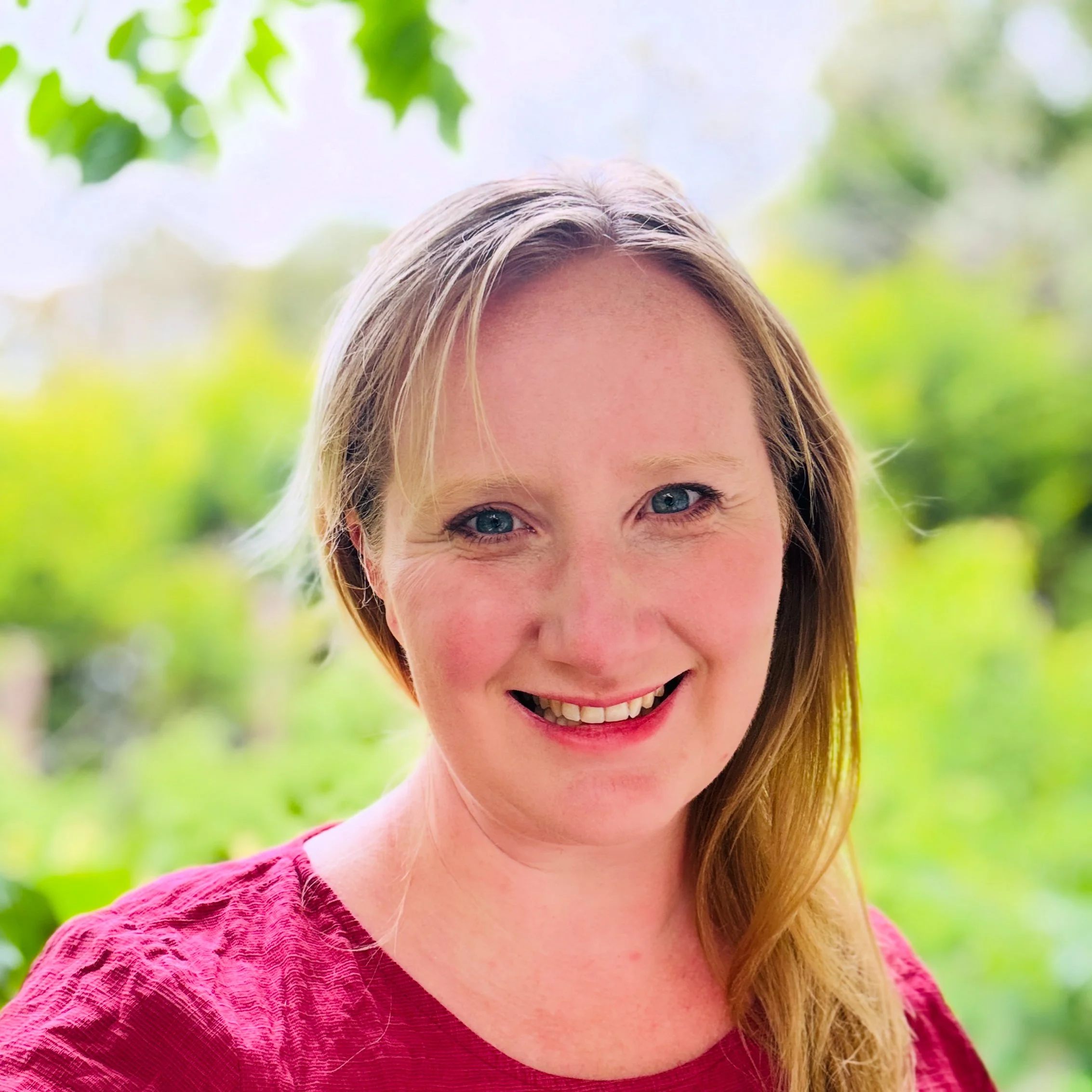
Trudy Adams
Founder & Facilitator
Trudy has worked across the social work and community services sectors for nearly two decades, holding leadership roles in youth work, out-of-home care, and family violence. She established Still Waters Training & Ecotherapy in December 2025 and is now the business manager and facilitator of trauma-informed training, ecotherapy programs, and reflective practice. Her work is driven by her passion to help communities recover from stress and trauma through nature-based programs and trauma-informed training for professionals.
Trudy has a Bachelor of Arts (English), Graduate Diploma in Youth Studies, Master of Ministry, and a Certificate in Ecotherapy, grounding her work in a blend of evidence-based practice, reflective learning, and whole-person care.
Her facilitation style is:
Person-centred – led by the participant’s pace, needs, and lived experience
Strengths-based – focused on resilience, capacity, and what is already working
Trauma-informed – prioritising emotional safety, choice, and stability
Motivational Interviewing–informed – supporting exploration of change and ambivalence
Narrative and reflective – helping others make sense of their story and meaning.
Beyond her professional practice, she has served as a volunteer firefighter since 2015. She is also the author of seven published novels, blending her love of storytelling with her passion for themes of resilience, identity, and belonging. Her author website can be found here.
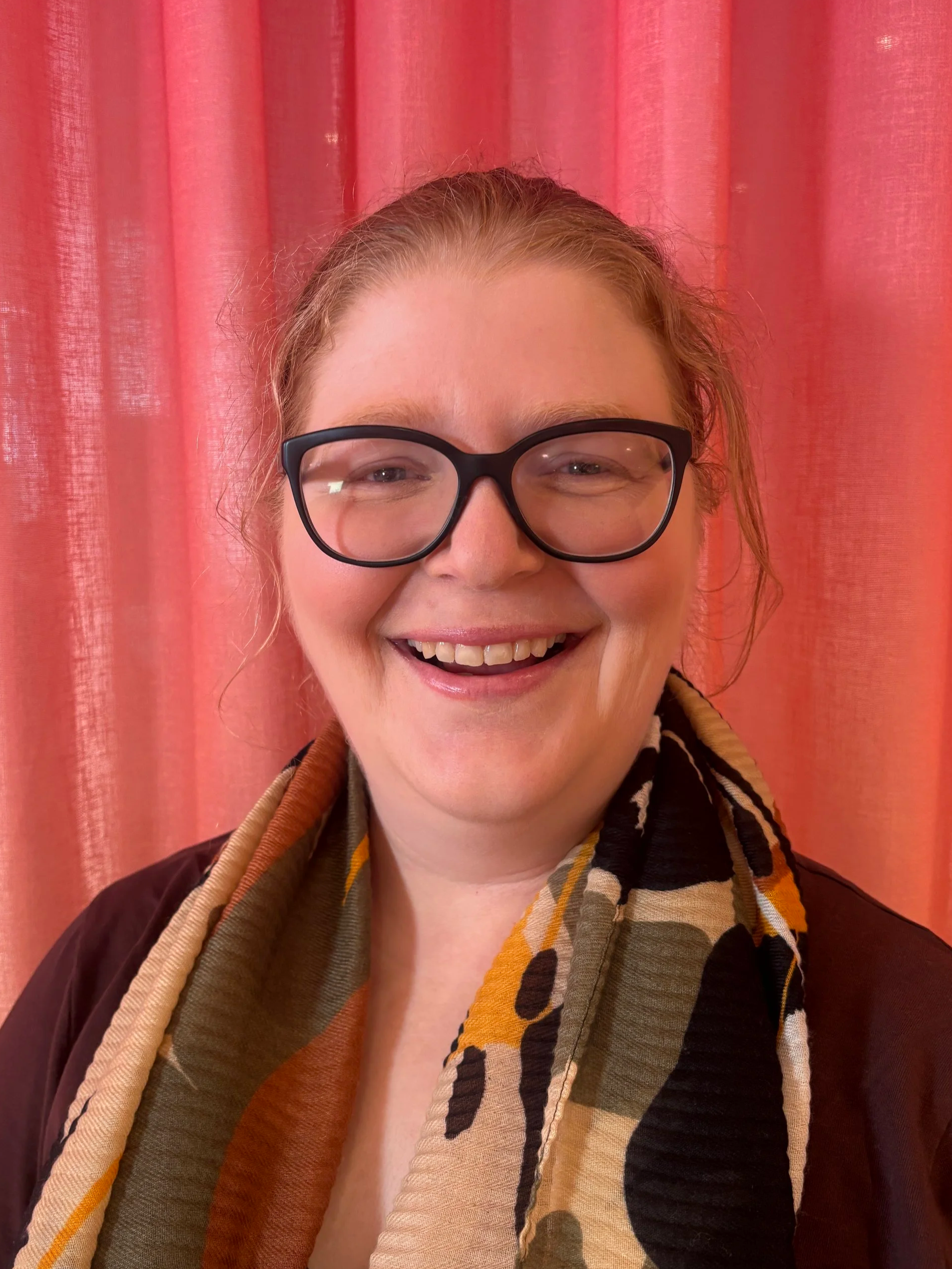
Libby Lake
Trauma-Informed Practice Facilitator
Libby Lake joins Still Waters Ecotherapy & Training as a professional facilitator with lived experience of disability, chronic illness, and trauma. She brings more than twenty years of experience across consulting, government, not‑for‑profit and community services sectors, specialising in learning and development, capability building, and trauma‑informed practice.
Her work spans instructional design, facilitation, organisational capability and change management — always with a strong emphasis on accessibility, inclusion and psychological safety.
Libby holds a Bachelor of Social Science (Youth Studies), Certificate IV in Training & Assessment, and is a certified Mental Health First Aider. She has also completed training in trauma‑informed practice, inclusive leadership, unconscious bias, and NDIS quality and safeguarding.
Her facilitation style is:
Participant‑centred – guided by the pace, needs and lived experience of each group
Guided learning – working alongside participants so learning is organic, meaningful and embedded
Strengths‑based – drawing on the insight, resilience and capability already present within the group
Trauma‑informed – prioritising emotional safety, choice, stability and regulation
Beyond her professional practice, Libby volunteers with the Aged Care Volunteer Visitors Scheme, offering companionship to older Australians. She is also an active Disability Advocate, having written articles, spoken at conferences, and appeared in media discussing accessibility, lived experience and systemic reform.